Spring Collective

Keston Ponds Restoration Feasibility Study

The brief is to deliver an integrated hydrology and water engineering service — including assessment, design, modelling, and monitoring — to develop a detailed restoration scheme that addresses ongoing and historic issues with the ponds and the river, supported by design documentation, maintenance planning, and stakeholder engagement.

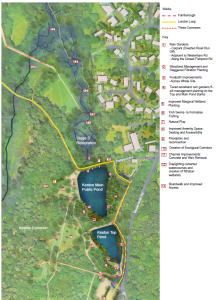
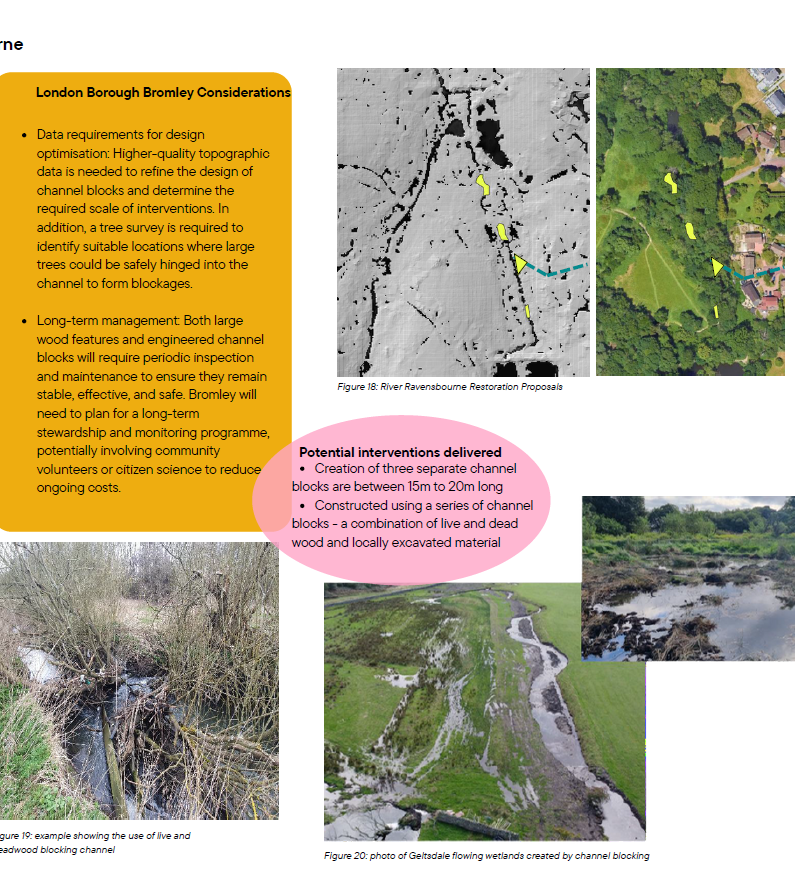
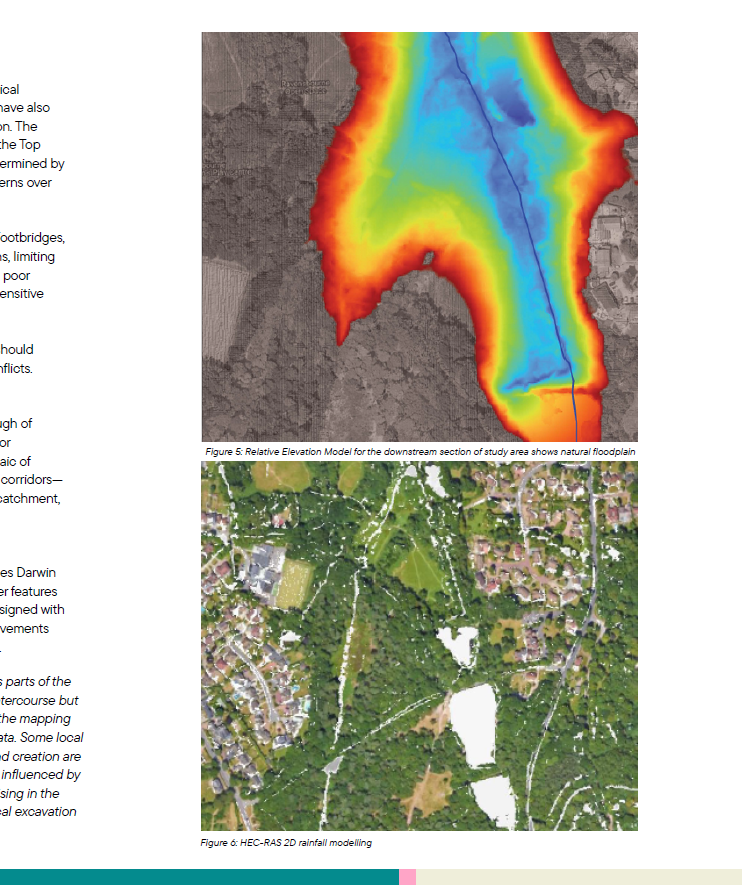
We began with a comprehensive hydrological and ecological assessment — blending desk-based studies, field surveys, and flood modelling to build a clear picture of how water moves through the valley. Using new topographic and bathymetric data, we mapped overland flow paths and floodplain connections, revealing the hidden opportunities for wetland reconnection and natural flood storage.


Partners + Collaborators
London Borough of Bromley
Ideverde
Friends of Keston Common
Environment Agency


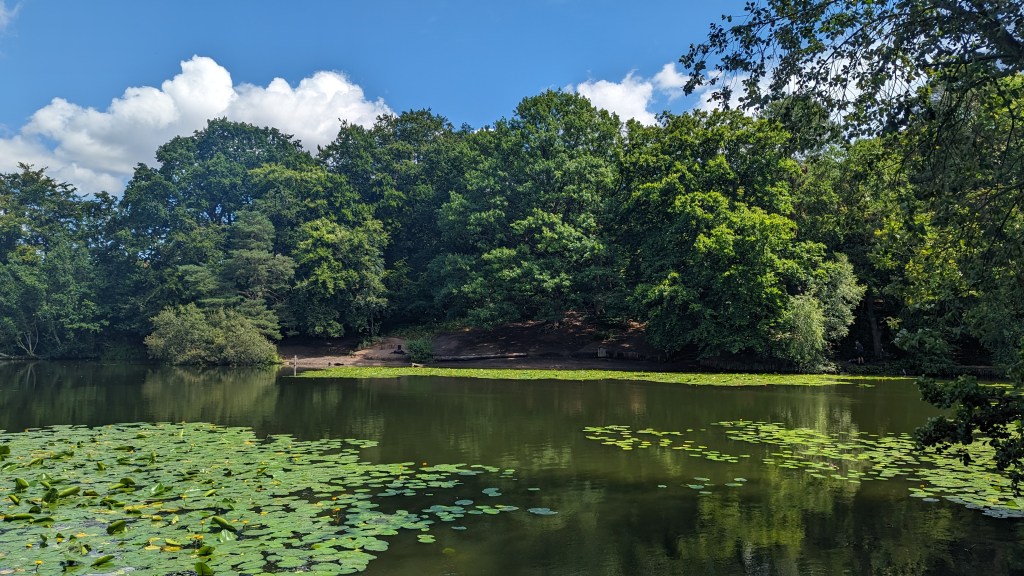
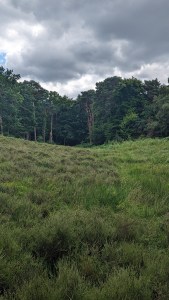
A site walkover helped us ground the data in reality — identifying where runoff, erosion, and sediment build-up were affecting habitats and access. From there, we developed a series of concept designs for each pond and river reach, from the Top Pond to Ravensbourne House Pond, testing how nature-based solutions could help restore balance. (site photo degraded) 

The feasibility study provides the foundation for a flagship restoration project at the source of the Ravensbourne — one that combines hydrological science with ecological design and community value.


This project offered a rare opportunity to reimagine Keston’s landscape as it might have existed before human influence — to learn from those natural patterns and use them to shape a restoration that supports both wildlife and people.

Marcus, Spring Collective

Since completion, the park has become a place for learning and connection. Local school children helped create artwork and outdoor classrooms that bring lessons in ecology and climate to life. Through Thames21’s volunteer programme, residents continue to monitor and maintain the wetlands, ensuring the project’s legacy grows over time.

Connecting the river to its floodplain through Stage 0 restoration approaches. Creating new wetlands and scrapes to filter runoff and improve water quality. Reducing flood risk downstream by restoring natural storage and flow pathways. Enhancing public access through improved paths, fishing areas, and natural play spaces. Strengthening biodiversity corridors across Keston Common.